
Termite Inspections in Liberal, KS, Southwest Kansas, Guymon, OK & the Oklahoma Panhandle
Termite Inspection Services in Liberal, KS, Southwest Kansas, Guymon, OK & the Oklahoma Panhandle
Termite inspections in Liberal, KS, Southwest Kansas, Guymon, OK & the Oklahoma Panhandle focus on identifying termite activity, structural damage, and conditions that support termite colonies in residential and commercial buildings. Davis Pest Control provides termite inspection services throughout Liberal, KS, Guymon, OK and nearby Oklahoma areas where soil conditions, moisture exposure, and wood-based structures create favorable environments for termite activity.
Termites are often hidden within walls, foundations, and wooden structures, making early detection essential through detailed inspection of both visible and concealed areas of a property.
Termite Activity in Liberal, KS, Southwest Kansas, Guymon, OK & the Oklahoma Panhandle
Termite activity in this region is influenced by soil composition, seasonal moisture, and the availability of wood materials used in construction.
Subterranean Termite Colony Development
Subterranean termites live underground and build colonies that extend into structures through soil contact points. Their activity often begins at the foundation level and progresses upward into wooden components.
Wood Consumption and Structural Damage Patterns
Termites consume cellulose found in wood, which can lead to weakening of structural supports over time. Damage often remains hidden until significant deterioration has occurred within walls or flooring.
Moisture-Driven Termite Activity
Moisture plays a key role in termite survival and movement. Areas with drainage issues, leaks, or soil moisture retention are more likely to experience termite presence and colony expansion.
Termite Inspection and Structural Assessment Process
Termite inspections involve a detailed evaluation of structural components and environmental conditions that may indicate termite presence.
Foundation and Soil Line Inspection
The inspection begins at the foundation level, where termite entry is most common. Soil contact areas, slab edges, and crawl space perimeters are examined for mud tubes and activity signs.
Wooden Structure and Framing Evaluation
Wooden beams, floor joists, and framing components are inspected for hollow sounds, surface damage, and internal deterioration that may indicate termite feeding activity.
Interior and Exterior Structural Review
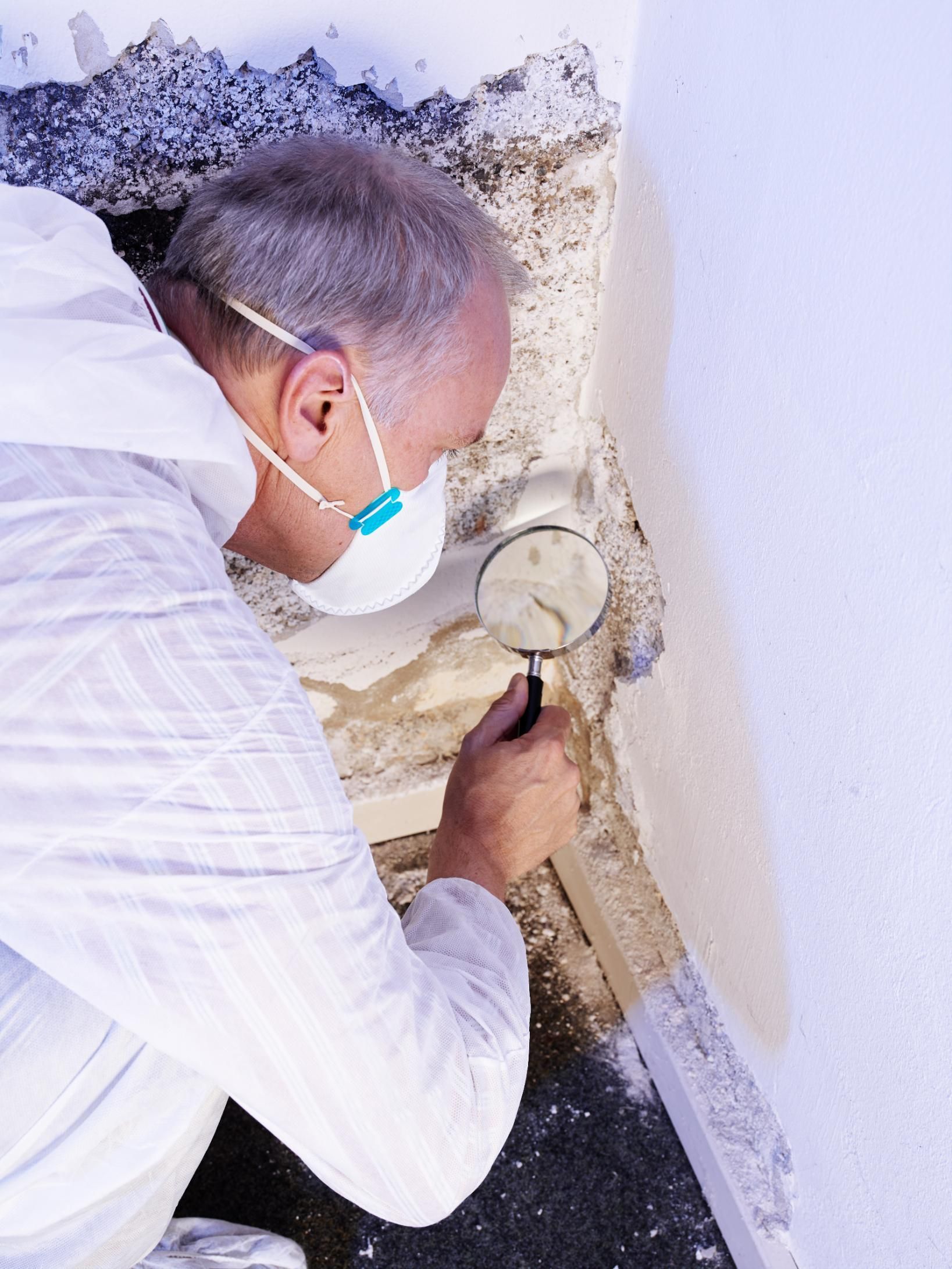
Both interior and exterior areas are assessed for visible signs of termite activity, including damaged trim, warped materials, or subtle surface changes in wood structures.
Signs of Termite Activity and Damage Identification
Termite inspections focus on detecting early warning signs of infestation and identifying areas where damage has already occurred.
Mud Tube Formation Along Structures
Mud tubes are narrow tunnels built by termites to travel between soil and wood. These tubes are commonly found along foundations, walls, and support beams.
Hollow or Weakened Wood Sections
Wood that has been consumed internally may sound hollow when tapped. This condition often indicates long-term termite activity within structural components.
Frass and Surface Debris Indicators
In some cases, termite activity may leave behind small debris or surface material near affected wood. These signs can help locate active infestation zones.
Entry Points and Environmental Risk Factors
Understanding how termites enter and spread within structures is a key part of inspection work.
Soil Contact and Foundation Exposure
Direct contact between soil and wooden structures creates an easy pathway for termites to enter buildings. Foundation cracks and expansion joints can also serve as access points.
Moisture Accumulation Around Structures
Areas with poor drainage, leaking pipes, or consistently damp soil increase the likelihood of termite activity near a structure’s base.
Landscaping and Wood-to-Soil Contact
Mulch beds, wooden fencing, and landscape timbers placed directly against soil can contribute to termite attraction and movement toward buildings.
Termite Inspection Findings and Reporting
Inspection results provide a detailed understanding of termite presence, damage severity, and risk levels within a property.
Active Infestation Detection
Active termite colonies are identified through direct evidence such as live termites, mud tubes, or ongoing wood damage. These findings indicate current structural risk.
Historical Termite Damage Evidence
Older damage is documented to determine whether termite activity has occurred previously in the structure. This helps assess long-term risk conditions.
Structural Risk Assessment
Areas of the building are evaluated based on vulnerability to future termite activity. This includes moisture-prone zones and wood-heavy structural sections.
Monitoring and Follow-Up Termite Inspections
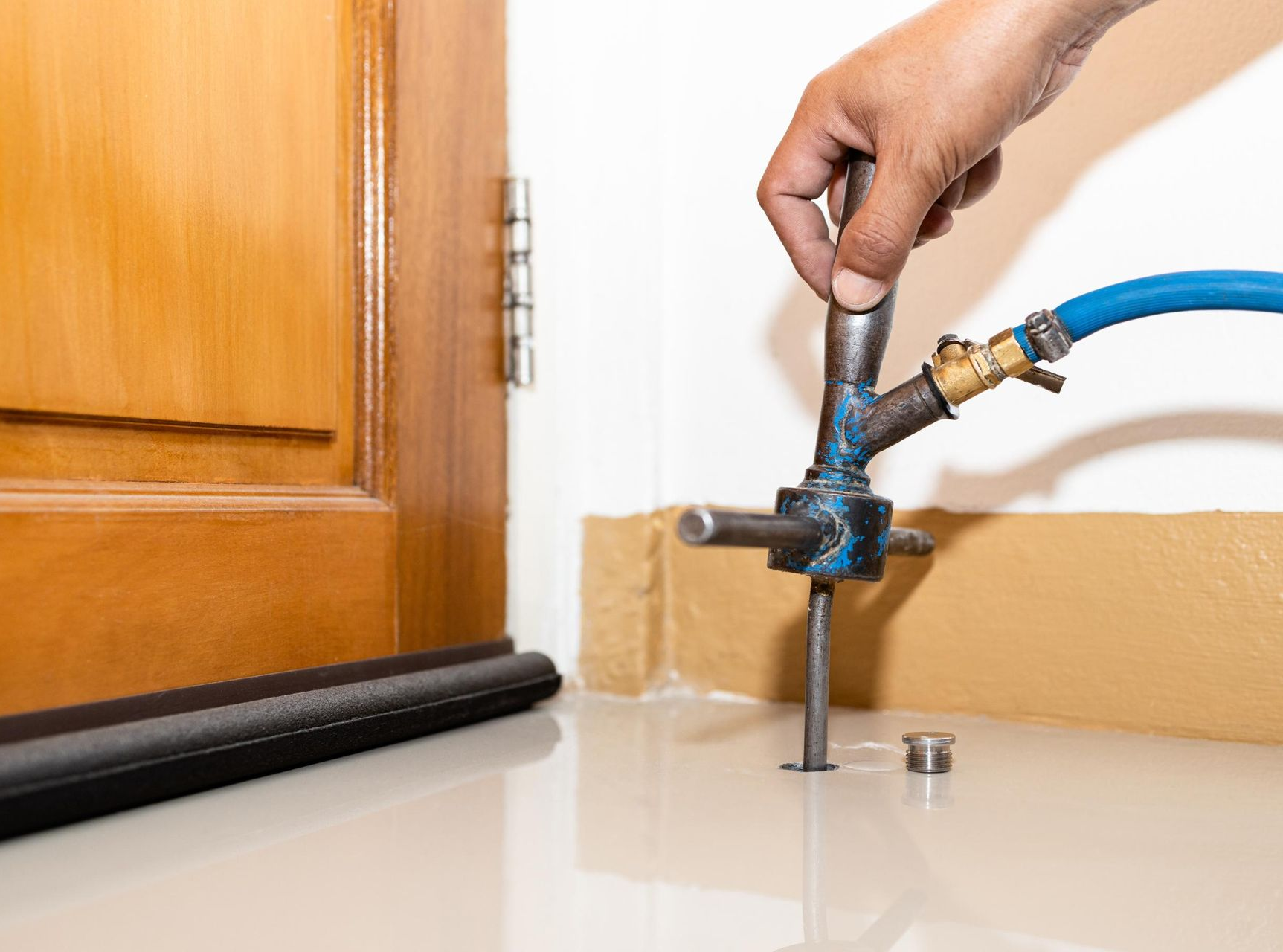
Termite inspections often require ongoing monitoring to track changes in activity and confirm whether conditions remain stable after treatment or repair.
Reinspection of Affected Areas
Previously identified termite zones are rechecked for new activity or continued structural deterioration. This helps ensure that infestations are not progressing.
Seasonal Termite Activity Tracking
Termite activity can increase during warmer months when soil conditions support colony expansion. Seasonal inspections help identify changes in activity levels.
Structural Condition Monitoring Over Time
Changes in moisture, repairs, or landscaping adjustments are reviewed during follow-up inspections to determine their impact on termite risk.
Termite Inspection Coverage in Liberal, KS, Southwest Kansas, Guymon, OK & the Oklahoma Panhandle
Davis Pest Control provides termite inspection services throughout Liberal, Kansas, Guymon, OK and surrounding Oklahoma communities, including residential homes, commercial buildings, rental properties, and agricultural structures where termite activity may be present or suspected.
Each inspection is based on a detailed evaluation of structural conditions, soil contact areas, and visible signs of termite activity. Findings are documented to support appropriate treatment planning or preventive measures.
Termite inspection services in Liberal, KS, Guymon, OK and nearby Oklahoma areas focus on early detection of termite activity, assessment of structural damage, and identification of environmental conditions that contribute to ongoing termite risk.