
Termite Control in Liberal, KS, Southwest Kansas, Guymon, OK & the Oklahoma Panhandle
Termite Control Services in Liberal, KS, Southwest Kansas, Guymon, OK & the Oklahoma Panhandle
Termite control in Liberal, KS, Southwest Kansas, Guymon, OK & the Oklahoma Panhandle focuses on detecting, managing, and reducing termite activity in residential and commercial structures where wood and cellulose-based materials are present. Davis Pest Control provides termite-related services across Liberal, KS and nearby Oklahoma areas where soil conditions, seasonal moisture changes, and structural construction types can support termite movement and colony development.
Termites are known for remaining hidden while feeding on structural wood components, which makes early identification and consistent monitoring essential. In this region, termite activity is often influenced by underground colony expansion and soil-to-structure contact points around foundations and crawl spaces.
Termite Activity Patterns in Liberal, KS, Southwest Kansas, Guymon, OK & the Oklahoma Panhandle
Termite activity in this region is typically associated with subterranean species that live underground and move into structures through soil contact points.
Subterranean Termite Colony Movement
Subterranean termites establish colonies in soil and extend mud tubes to reach above-ground wood sources. These tubes are often found along foundations, basement walls, and crawl space supports, allowing termites to travel while maintaining moisture levels necessary for survival.
Wood Consumption in Structural Components
Termites feed on cellulose materials found in framing, flooring, wall studs, and support beams. Damage often occurs internally, meaning structural weakening can progress before visible surface signs appear.
Moisture-Driven Infestation Areas
Areas with consistent moisture exposure, such as plumbing leaks, drainage zones, or poorly ventilated crawl spaces, are more likely to attract termite activity. Moist environments support colony expansion and sustained feeding behavior.
Termite Inspection and Detection Process
Termite inspection involves identifying both visible and hidden indicators of termite presence within and around a structure.
Foundation and Exterior Wall Inspection
Exterior inspection focuses on foundation lines, brick joints, and siding connections where termites may build mud tubes or enter through soil contact points. These areas are carefully examined for structural vulnerabilities.
Crawl Space and Basement Evaluation
Crawl spaces and basements are key inspection zones due to their proximity to soil and wood structural elements. Signs of termite movement such as mud tubes, damaged wood, or moisture accumulation are evaluated in these areas.
Interior Structural Assessment
Interior inspection includes checking baseboards, flooring edges, and wall voids for signs of termite damage. Hollow-sounding wood and surface irregularities may indicate internal feeding activity.
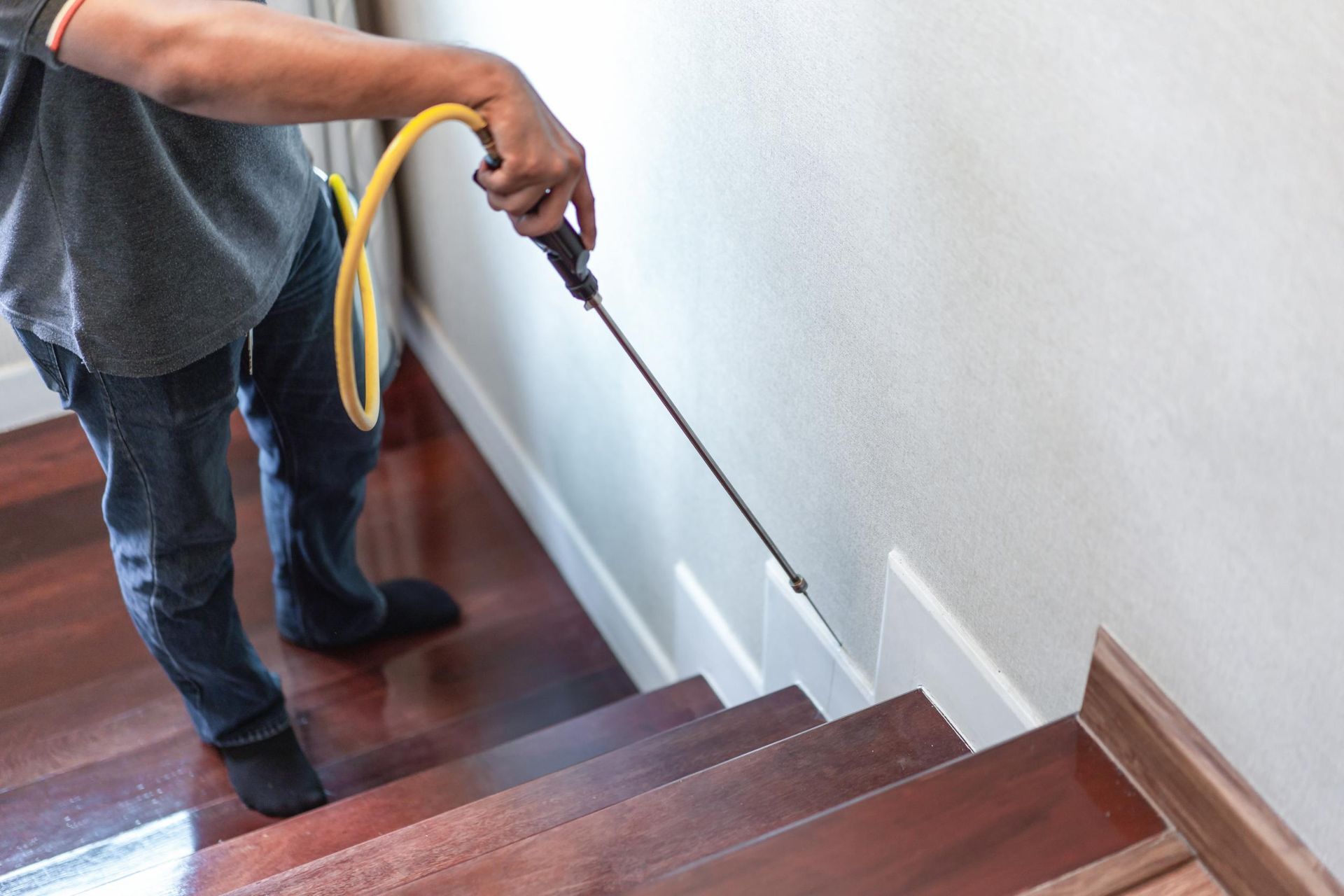
Termite Treatment Methods and Application Areas
Termite control treatments are designed to address active colonies and create barriers that limit future movement into structures.
Soil Treatment Applications Around Foundations
Soil treatment is applied around the exterior perimeter of structures where termites typically enter from underground colonies. These treatments target areas where soil meets foundation walls.
Targeted Structural Treatment Zones
Structural treatment focuses on areas where termite activity is detected within wood components. This includes support beams, subflooring, and wall framing where feeding damage is present or suspected.
Entry Point and Void Treatment Applications
Cracks, expansion joints, and void spaces within foundations and walls are treated to reduce termite access routes. These hidden pathways are often used by termites to move between soil and structural wood.
Termite Damage Conditions and Structural Impact
Termite activity can affect structural integrity over time, particularly when infestations remain undetected or untreated for extended periods.
Wood Weakening and Internal Damage Formation
Termites consume wood from the inside out, which can leave surfaces appearing intact while internal support structures are compromised. This type of damage can affect load-bearing components.
Flooring and Wall Structural Changes
As termite feeding continues, flooring may begin to sag or walls may show subtle structural shifts. These changes are typically associated with long-term termite activity within hidden structural areas.
Moisture Interaction with Structural Damage
Moisture exposure can accelerate termite activity and contribute to faster wood deterioration. Areas with ongoing water exposure are more susceptible to combined moisture and termite damage conditions.
Monitoring and Ongoing Termite Management
Termite control requires ongoing monitoring due to the continuous nature of colony activity and environmental conditions that support termite survival.
Post-Treatment Activity Observation
After treatment, structures are monitored for continued signs of termite movement such as mud tubes, wood damage, or soil activity near foundations. This helps determine whether additional treatment is necessary.
Seasonal Colony Movement Patterns
Termite activity may increase during warmer months when colonies expand and reproductive swarms occur. Seasonal monitoring helps identify changes in termite behavior throughout the year.
Environmental Conditions Supporting Termite Activity
Moisture levels, soil contact with wood structures, and landscaping conditions are evaluated as part of ongoing termite management. These factors can influence the likelihood of reinfestation.
Termite Control Coverage in Liberal, KS, Southwest Kansas, Guymon, OK & the Oklahoma Panhandle
Davis Pest Control provides termite control services throughout Liberal, Kansas, Guymon, OK and nearby Oklahoma communities where soil conditions and structural environments support termite activity. Service coverage includes residential homes, commercial buildings, and other wood-structured properties that may be exposed to subterranean termite infestation risks.
Each termite service is based on inspection findings and the extent of detected activity. Treatment and monitoring strategies are adjusted according to structural conditions, environmental factors, and observed termite behavior within each property.
Termite control services in Liberal, KS, Guymon, OK and surrounding Oklahoma areas focus on identifying hidden termite activity, addressing colony access points, and managing structural risk conditions through targeted inspection and treatment methods.