
Spider Control in Liberal, KS, Southwest Kansas, Guymon, OK & the Oklahoma Panhandle
Spider Control Services in Liberal, KS, Southwest Kansas, Guymon, OK & the Oklahoma Panhandle
Spider control in Liberal, KS, Southwest Kansas, Guymon, OK & the Oklahoma Panhandle focuses on managing spider activity in residential, commercial, and outdoor environments where insects, shelter, and undisturbed spaces allow spiders to establish webs and nesting areas. Davis Pest Control provides structured spider control services throughout Liberal, KS, Guymon, OK and nearby Oklahoma areas where seasonal changes and surrounding open land contribute to increased spider presence around buildings.
Spiders are generally attracted to environments where other insects are present, since they rely on them as a primary food source. As a result, spider activity often reflects broader insect activity within and around a structure.
Spider Activity in Homes and Commercial Properties
Spider activity in Liberal, KS, Guymon, OK and surrounding Oklahoma areas is commonly observed in both indoor and outdoor environments, especially in areas with low human disturbance.
Indoor Web-Building in Quiet Areas
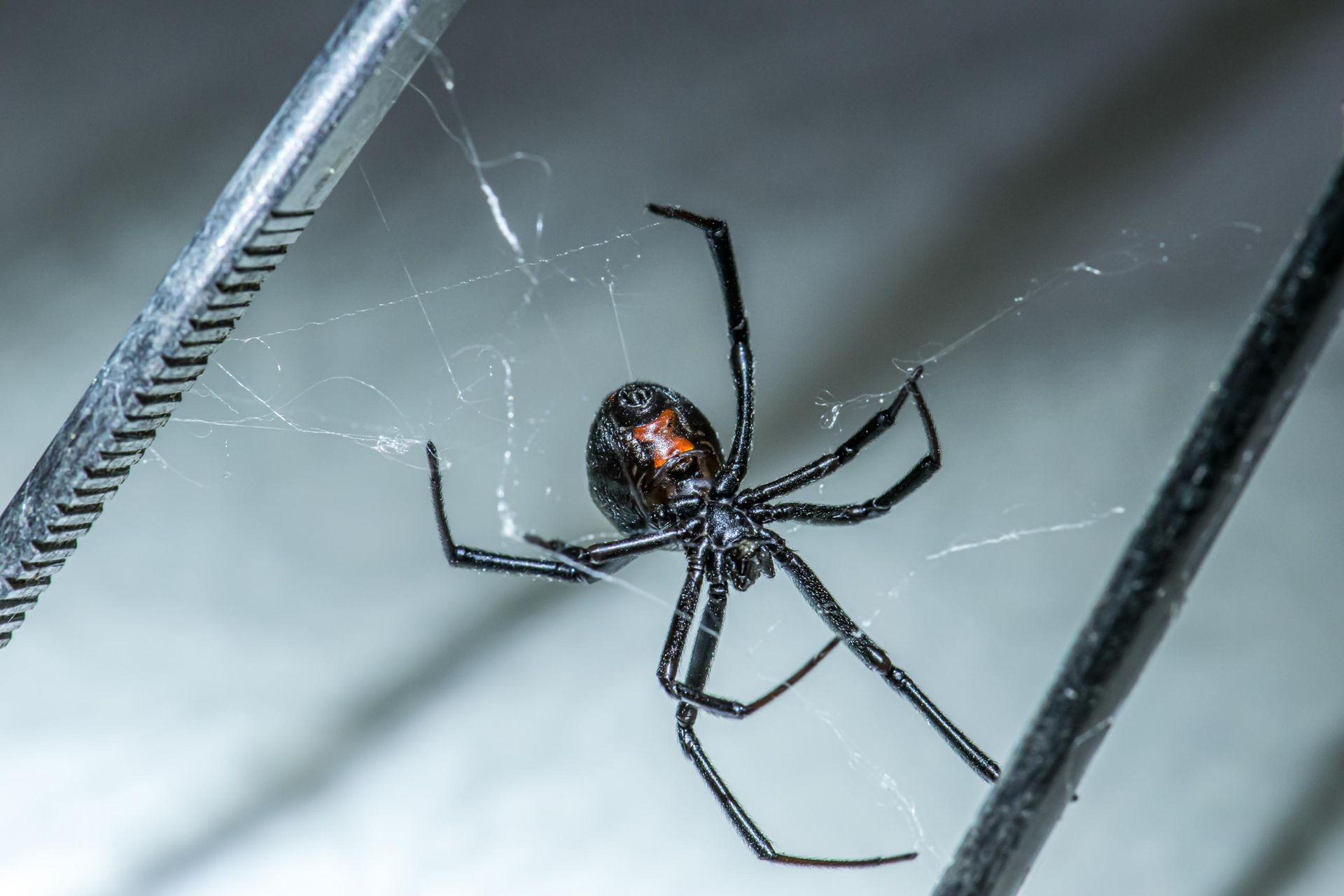
Spiders often build webs in corners, ceilings, storage rooms, basements, and garages. These areas are typically undisturbed and provide suitable conditions for web construction and prey capture.
Outdoor Spider Presence Around Structures
Outside buildings, spiders are commonly found near exterior lighting, porch areas, window frames, and landscaping features. Lighting attracts insects, which in turn attracts spiders looking for food sources.
Activity in Storage and Low-Traffic Zones
Storage spaces, sheds, and utility areas often support spider activity due to reduced human movement. These environments allow spiders to remain undisturbed while maintaining webs.
Spider Inspection and Activity Assessment
Spider control begins with identifying areas of web activity, insect presence, and environmental conditions that support spider populations.
Interior Web and Harboring Area Inspection
Inspection inside structures focuses on identifying webs, egg sacs, and spider hiding locations. Common inspection zones include ceiling corners, behind furniture, and along wall edges.
Exterior Structure and Lighting Evaluation
Outdoor inspection includes checking areas around lighting fixtures, door frames, and window edges where insects and spiders are frequently active together. These zones often show the highest spider activity.
Insect Presence and Food Source Assessment
Since spiders feed on insects, areas with high insect activity are also evaluated. The presence of ants, flies, or other small insects often contributes to increased spider populations.
Spider Treatment Methods and Application Areas
Spider control treatments are applied to reduce both spider populations and the insects that support their food supply.
Interior Targeted Treatment Applications
Interior treatments focus on corners, ceilings, baseboards, and hidden spaces where spiders build webs. These applications reduce active spider presence within living and working areas.
Exterior Perimeter Spider Treatment
Exterior treatments are applied around building foundations, entry points, and lighting zones where spiders commonly build webs. These areas often serve as primary spider activity zones near structures.
Web Removal and Residual Treatment Focus
Web removal areas are treated to discourage re-establishment. Residual applications target surfaces where spiders are likely to rebuild webs or lay egg sacs.
Spider Behavior and Environmental Influence
Spider activity is influenced by environmental conditions, insect populations, and structural features that provide shelter and feeding opportunities.
Web Construction and Hunting Patterns
Most common spiders in this region construct webs to trap flying or crawling insects. Web placement is typically strategic, targeting areas with high insect traffic.
Seasonal Activity Fluctuations
Spider activity often increases during warmer months when insect populations are higher. Seasonal changes can also drive spiders indoors as they seek shelter.
Adaptation to Indoor Environments
Spiders can adapt to indoor environments when food sources are available. They often remain in undisturbed areas where webs can remain intact for longer periods.
Monitoring and Ongoing Spider Control
Spider control often requires ongoing monitoring due to continuous insect activity and favorable environmental conditions.
Reoccurring Web Formation Checks
Previously treated areas are monitored for new web formation or increased spider activity. This helps identify whether additional treatment is needed.
Insect Activity Influence Monitoring
Changes in insect populations can directly impact spider activity levels. Monitoring these conditions helps predict potential increases in spider presence.
Structural Condition Evaluation
Cracks, openings, and exterior lighting conditions are reviewed as part of ongoing spider management. These factors often influence where spiders establish webs.
Spider Control Coverage in Liberal, KS, Southwest Kansas, Guymon, OK & the Oklahoma Panhandle
Davis Pest Control provides spider control services throughout Liberal, Kansas, Guymon, OK and surrounding Oklahoma communities, including residential homes, commercial buildings, storage facilities, and outdoor environments where spider activity is commonly observed.
Each service is based on inspection findings and levels of spider and insect activity present. Treatment plans are adjusted according to web locations, structural conditions, and environmental factors contributing to spider presence.
Spider control services in Liberal, KS, Guymon, OK and nearby Oklahoma areas focus on reducing spider populations, removing active webs, and addressing underlying insect activity that supports continued spider infestations.