
Flea & Tick Control in Liberal, KS, Southwest Kansas, Guymon, OK & the Oklahoma Panhandle
Flea & Tick Control Services in Liberal, KS, Southwest Kansas, Guymon, OK & the Oklahoma Panhandle
Flea and tick control in Liberal, KS, Southwest Kansas, Guymon, OK & the Oklahoma Panhandle focuses on managing infestations that affect both indoor living spaces and outdoor environments, especially in homes with pets or properties near grasslands and open soil areas. Davis Pest Control provides structured flea and tick control services throughout Liberal, KS, Guymon, OK and nearby Oklahoma areas where warm temperatures and animal activity contribute to ongoing pest presence.
Fleas and ticks are parasitic pests that rely on animals or humans for feeding. They often develop in carpets, pet bedding, soil, and shaded outdoor environments, making them difficult to eliminate without addressing both interior and exterior conditions.
Flea Activity in Homes and Indoor Environments
Flea infestations in Liberal, KS, Guymon, OK and surrounding Oklahoma areas often begin indoors after being introduced by pets or wildlife.
Indoor Carpet and Flooring Infestation Zones
Fleas commonly develop in carpets, rugs, and upholstered furniture where eggs and larvae can remain hidden. These areas provide warmth and protection during early development stages.
Pet Bedding and Resting Areas
Pet bedding is a frequent concentration point for flea activity. Fleas lay eggs in areas where pets sleep or rest, allowing populations to grow rapidly in close proximity to hosts.
Human Exposure in Living Spaces
Fleas can bite humans when animal hosts are not available. Indoor movement often occurs across flooring and seating areas where pets spend time.
Tick Activity in Outdoor and Vegetated Areas
Tick activity in Liberal, KS, Guymon, OK and nearby Oklahoma regions is closely tied to vegetation, soil conditions, and animal movement.
Grass and Brush Habitat Zones
Ticks are commonly found in tall grass, shrubs, and wooded edges where they wait for passing animals or humans to attach. These environments provide ideal conditions for survival.
Yard and Perimeter Exposure Areas
Yards, fence lines, and landscaped areas can support tick activity, especially where wildlife such as rodents or deer may pass through.
Animal Movement and Host Attachment
Ticks rely on animals for transport and feeding. Dogs, cats, and wildlife often carry ticks into residential environments after outdoor exposure.
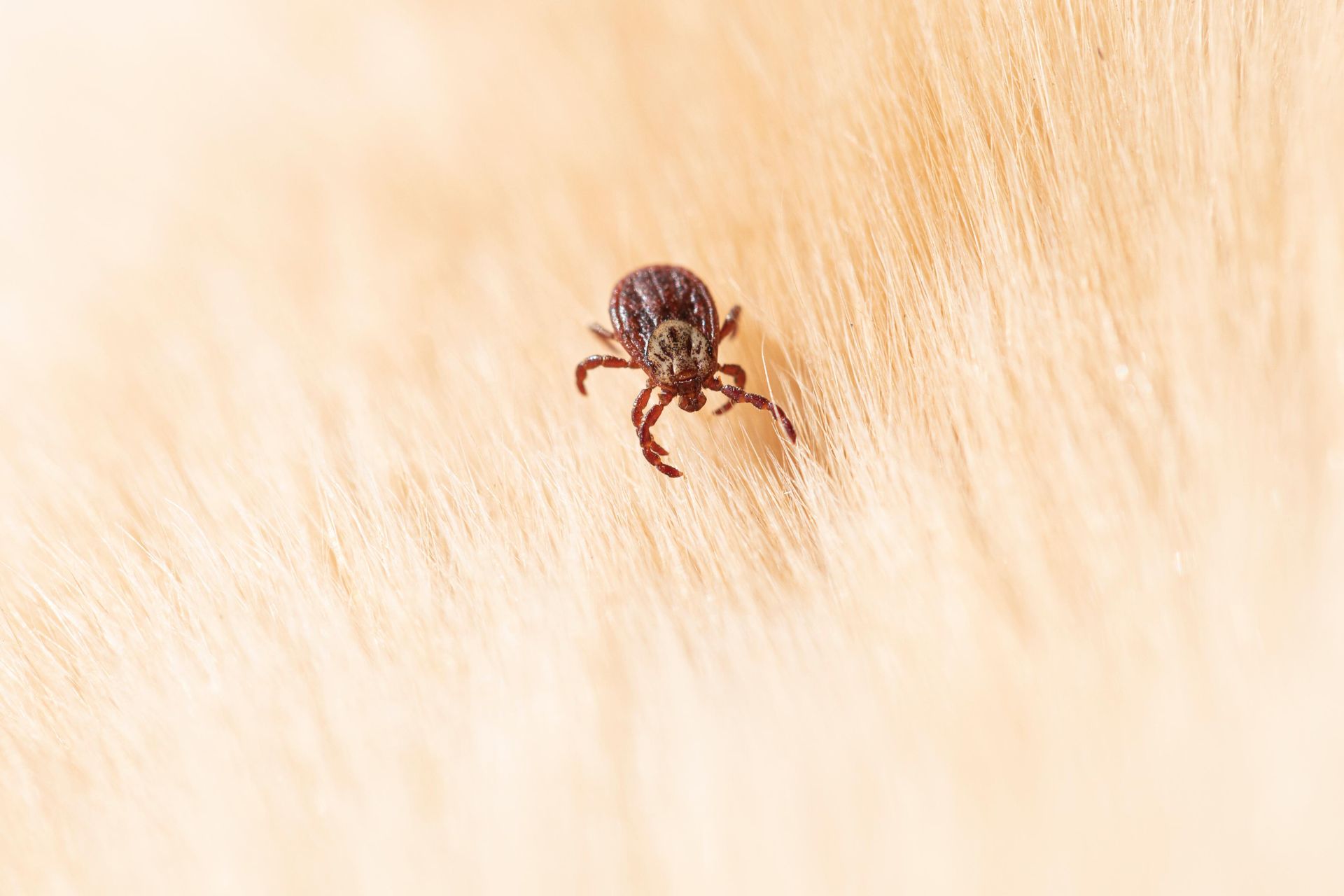
Flea & Tick Inspection and Identification Process
Flea and tick control begins with identifying infestation sources both inside and outside the structure.
Interior Infestation Assessment
Indoor inspection focuses on carpets, furniture, pet bedding, and low-traffic areas where fleas may develop or hide. Signs such as biting activity and small insect presence are evaluated.
Outdoor Vegetation and Yard Inspection
Outdoor inspection includes grass, shrubs, shaded areas, and soil conditions where ticks are likely to reside. These areas are assessed for animal activity and suitable habitat conditions.
Pet and Wildlife Activity Evaluation
Pet movement patterns and potential wildlife access points are reviewed as part of the inspection process. These factors often contribute to the introduction and spread of fleas and ticks.
Flea & Tick Treatment Methods and Application Areas
Treatment for fleas and ticks requires addressing both active infestations and environmental conditions that support their life cycle.
Interior Carpet and Upholstery Treatment
Indoor treatments focus on carpets, rugs, furniture, and pet resting areas where fleas are most likely to develop. These applications target multiple life stages of the pest.
Outdoor Yard and Perimeter Applications
Outdoor treatments are applied to grass, soil edges, and shaded areas where ticks and fleas may reside. These zones are treated to reduce population density around living spaces.
Pet Activity Zone Focus Areas
Areas where pets frequently rest or travel are treated to reduce reinfestation risk. These zones are important due to repeated exposure and pest transfer between indoor and outdoor environments.
Flea & Tick Behavior and Life Cycle Patterns
Understanding flea and tick development helps explain how infestations persist and spread over time.
Rapid Flea Reproduction Cycles
Fleas reproduce quickly under warm conditions, with eggs developing in carpets and bedding before maturing into biting adults. This cycle can continue if untreated.
Tick Feeding and Attachment Behavior
Ticks attach to hosts for feeding and can remain attached for extended periods. Their behavior increases the risk of transmission into indoor environments.
Environmental Dependence on Temperature and Humidity
Both fleas and ticks thrive in warm and humid conditions. Seasonal changes in Liberal, KS, Guymon, OK and nearby Oklahoma areas strongly influence their activity levels.
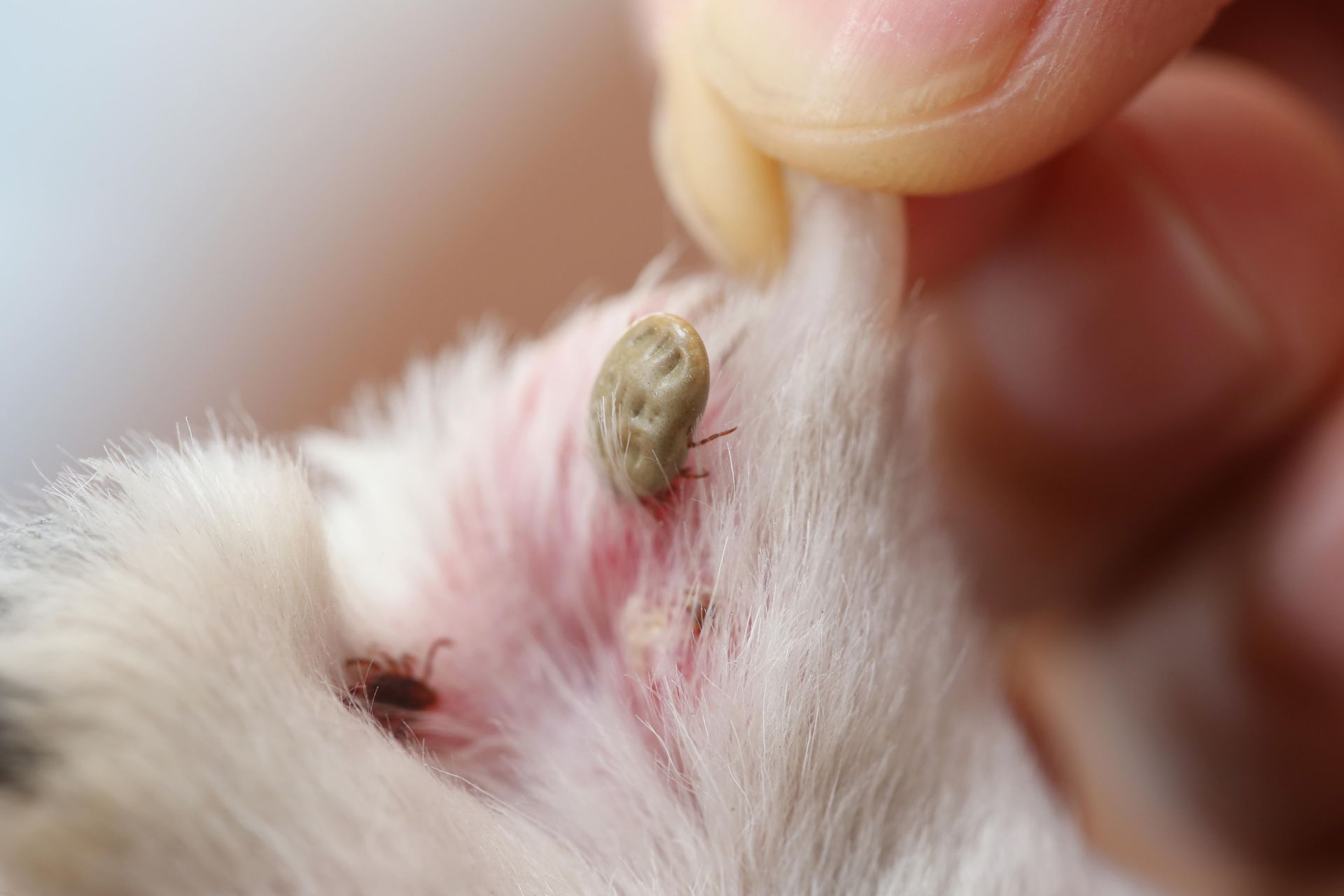
Monitoring and Ongoing Flea & Tick Control
Flea and tick control often requires ongoing monitoring due to their ability to reappear through pets or outdoor exposure.
Post-Treatment Activity Monitoring
Areas are checked for continued signs of flea bites, tick sightings, or renewed pest presence in pet and living areas.
Reinfestation Risk Evaluation
Pets and outdoor environments are assessed for continued exposure risks that may lead to reinfestation after treatment.
Seasonal Activity Tracking
Flea and tick populations often increase during warmer months, requiring closer monitoring during peak activity periods.
Flea & Tick Control Coverage in Liberal, KS, Southwest Kansas, Guymon, OK & the Oklahoma Panhandle
Davis Pest Control provides flea and tick control services throughout Liberal, Kansas, Guymon, OK and surrounding Oklahoma communities, including residential homes, yards, and pet environments where these pests are commonly introduced and sustained.
Each service is based on inspection findings and infestation levels. Treatment strategies are adjusted according to pet activity, environmental conditions, and outdoor habitat presence.
Flea and tick control services in Liberal, KS, Guymon, OK and nearby Oklahoma areas focus on reducing active infestations, treating indoor and outdoor environments, and addressing conditions that support ongoing pest development and reinfestation.